The 15 best books for small business owners, ranked by reader data

The books small business owners recommend for running the numbers, the team and the marketing without burning out, ranked by reader data. Updated October 2026.

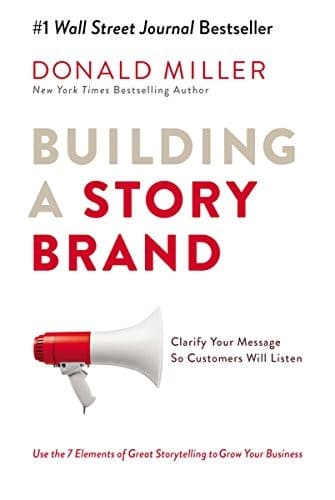
Cover of Building a StoryBrand by Donald Miller
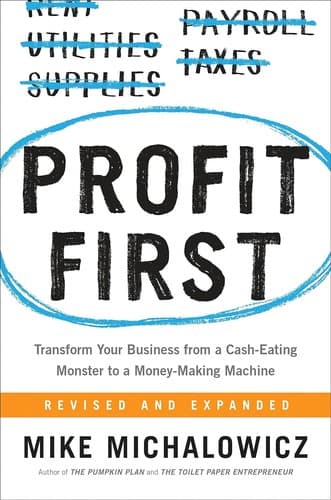
Cover of Profit First by Mike Michalowicz
Cover of Rework by Jason Fried

At a glance

  1. 1$100M Offers by Alex Hormozi
  2. 2Traction: Get a Grip on Your Business by Gino Wickman
  3. 3
    Cover of Profit First by Mike Michalowicz
    Profit First by Mike Michalowicz
  4. 4
    Cover of Building a StoryBrand by Donald Miller
    Building a StoryBrand by Donald Miller
  5. 5
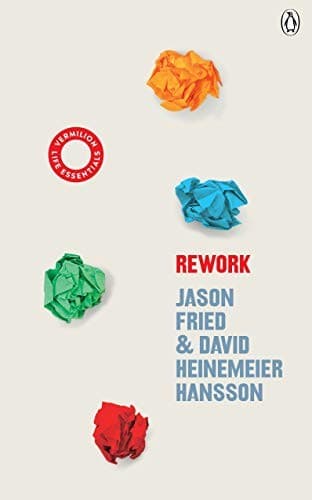
    Cover of Rework by Jason Fried
    Rework by Jason Fried
  6. 6Scaling Up by Verne Harnish
  7. 7
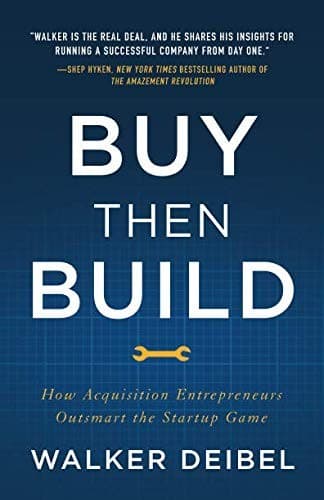
    Cover of Buy Then Build by Walker Deibel
    Buy Then Build by Walker Deibel
  8. 8
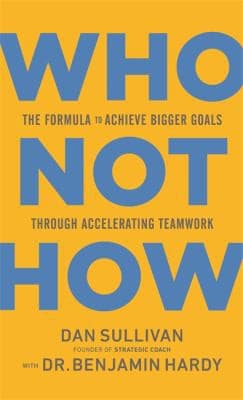
    Cover of Who Not How by Dan Sullivan
    Who Not How by Dan Sullivan
  9. 9
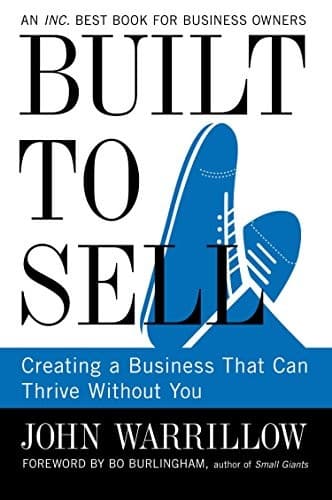
    Cover of Built to Sell by John Warrillow
    Built to Sell by John Warrillow
  10. 10The Pumpkin Plan by Mike Michalowicz
  11. 11
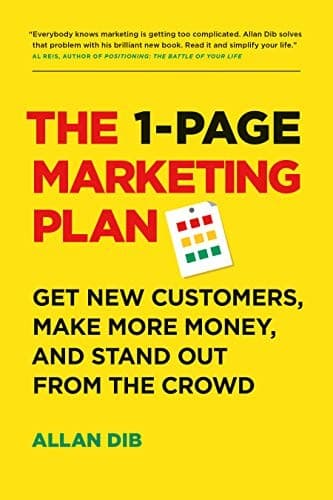
    Cover of The 1-Page Marketing Plan by Allan Dib
    The 1-Page Marketing Plan by Allan Dib
  12. 12
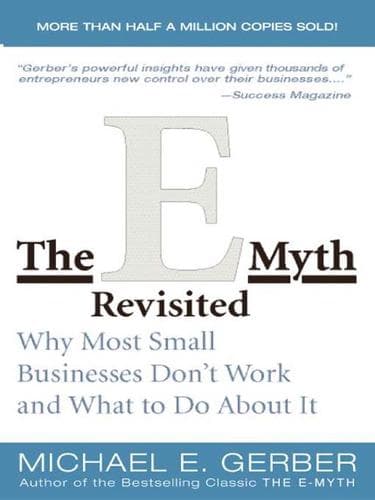
    Cover of The E-Myth Revisited by Michael E. Gerber
    The E-Myth Revisited by Michael E. Gerber
  13. 13
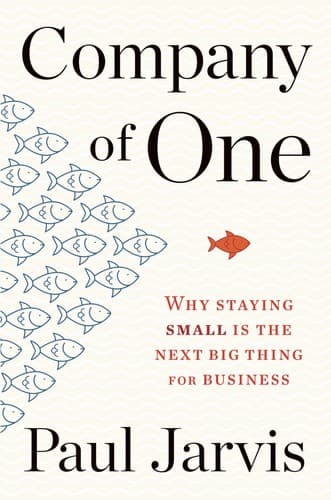
    Cover of Company of One by Paul Jarvis
    Company of One by Paul Jarvis
  14. 14
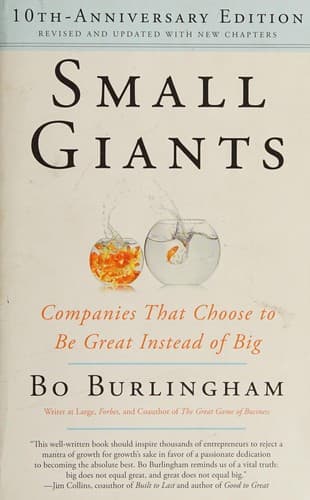
    Cover of Small Giants by Bo Burlingham
    Small Giants by Bo Burlingham
  15. 15
    Cover of Simple Numbers, Straight Talk, Big Profits! by Greg Crabtree
    Simple Numbers, Straight Talk, Big Profits! by Greg Crabtree

$100M Offers

Alex Hormozi

#1

$100M Offers

Alex Hormozi · 2021

4.9 on Amazon30k reviews110 searches a monthAbout 3 hours to read

A practical guide to building offers so compelling that customers feel foolish saying no.

Hormozi argues that the offer, not marketing tactics or price cutting, is the biggest lever for growing a business. He teaches how to raise the perceived value of what you sell by targeting a strong market, addressing customer problems, and structuring what you deliver. Readers learn to package services, add bonuses, use guarantees, and create urgency so they can charge more, compete on value instead of price, and attract customers more easily.

Key ideas

  • Strong offers let you charge premium prices instead of competing on being cheapest.
  • Value rises when outcomes are bigger and likelier, faster, and easier for the customer.
  • Guarantees, bonuses, scarcity, and good naming strengthen an offer and reduce buyer risk.

Best for

Founders, freelancers, and marketers who want to improve pricing, packaging, and sales conversion.

View on Amazon
Traction

Gino Wickman

#2

Traction: Get a Grip on Your Business

Gino Wickman · 2007

4.6 on Amazon9.7k reviews6.6k searches a monthAbout 5 hours to read

A practical system for entrepreneurs to run a more focused, organized, and profitable company.

Wickman presents the Entrepreneurial Operating System, a framework for running a small or midsize company. He argues that most businesses struggle because of weak vision, unclear accountability, and poor discipline, not lack of ideas. The book lays out six key components of a business and offers simple tools for clarifying direction, assigning responsibility, holding regular meetings, and solving problems. Readers come away with a concrete way to align their team and make steady progress.

Key ideas

  • Strengthen six key components: vision, people, data, issues, process, and traction.
  • Make the company vision clear and share it with every employee.
  • Use regular meetings, measurable goals, and accountability to turn plans into results.

Best for

Founders and leaders of growing small businesses who feel stuck or scattered.

View on Amazon
Cover of Profit First by Mike Michalowicz

#3

Profit First

Mike Michalowicz · 2014

4.8 on Amazon9.2k reviews1.6k searches a monthAbout 4 hours to read

A cash management system for small businesses that puts profit first instead of treating it as leftover.

Michalowicz challenges the standard accounting formula of sales minus expenses equals profit. He argues owners should take profit off the top and run the business on what remains. The book lays out a method of dividing incoming money into separate bank accounts for set purposes, with allocation percentages adjusted as the company grows. Readers come away with a practical, simple routine for managing cash, controlling spending, paying themselves, and building a steadily profitable business.

Key ideas

  • Set aside profit first, then let remaining money determine your expenses.
  • Use separate bank accounts to allocate income and make cash visible.
  • Constraints on spending push owners toward efficiency and smarter business decisions.

Best for

Small business owners and freelancers struggling with cash flow and consistent profitability.

View on Amazon
Cover of Building a StoryBrand by Donald Miller

#4

Building a StoryBrand

Donald Miller · 2017

4.7 on Amazon11k reviews590 searches a monthAbout 5 hours to read

A guide to clarifying your marketing message by framing your customer as the hero of a story.

Miller argues that most companies lose customers because their messaging is confusing and focused on themselves. He borrows from storytelling structure, positioning the customer as the hero and the brand as the trusted guide. The book walks through a seven-part framework for building clear messaging, then shows how to apply it to websites, emails, and sales pitches. Readers come away with a practical method for simplifying what they say and making it resonate.

Key ideas

  • Customers are the hero of the story, and your brand plays the guide.
  • Clear, simple messaging beats clever or complicated language when people are busy.
  • A repeatable story framework can organize your website, emails, and sales conversations.

Best for

Small business owners and marketers struggling to explain their offer in a way customers grasp.

View on Amazon
Cover of Rework by Jason Fried

#5

Rework

Jason Fried · 2010

4.5 on Amazon12k reviews480 searches a monthAbout 5 hours to read

A brisk collection of contrarian essays arguing that simpler, leaner businesses beat conventional startup wisdom.

Written by the founders of 37signals, this book rejects much standard business advice, including heavy planning, outside funding, and obsessing over rivals. Through short, punchy essays, it argues that small teams can succeed by starting quickly, staying lean, and focusing on making something good. Readers come away with a skeptical view of corporate habits like endless meetings and rigid growth targets, plus a push to act now, sell a quality product, and build a sustainable company.

Key ideas

  • Start building now instead of waiting for perfect plans or funding.
  • Stay small and lean; constraints and simplicity can be real advantages.
  • Skip needless meetings, paperwork, and competitor obsession to protect focus and productivity.

Best for

Aspiring founders and small-business owners wanting a quick, opinionated antidote to conventional startup advice.

View on Amazon

Scaling Up

Verne Harnish

#6

Scaling Up

Verne Harnish · 2014

4.6 on Amazon2.9k reviews720 searches a monthAbout 5 hours to read

A practical playbook for growing a company by getting People, Strategy, Execution and Cash right.

Harnish argues that growth strains every company, and that leaders can scale without burning out by mastering four areas: people, strategy, execution and cash. The book offers a set of one-page tools, including a strategic plan and the Rockefeller Habits checklist, that help leaders align teams, set priorities, and keep a steady operating rhythm. Readers come away with concrete frameworks they can apply to their own organizations, plus a clearer sense of where growth is stalling.

Key ideas

  • Growth succeeds when leaders get four decisions right: people, strategy, execution, and cash.
  • One-page tools make strategy and priorities simple enough for the whole team to use.
  • Consistent routines and meeting rhythms keep a growing company aligned and accountable.

Best for

Founders and executives of growing mid-sized firms seeking practical management frameworks and planning tools.

View on Amazon
Cover of Buy Then Build by Walker Deibel

#7

Buy Then Build

Walker Deibel · 2018

4.7 on Amazon2.3k reviews390 searches a monthAbout 6 hours to read

A guide to becoming an entrepreneur by acquiring an existing business instead of starting from scratch.

Deibel argues that buying an established small company beats launching a startup, since it offers existing customers, revenue, and cash flow from the start. The book walks through the acquisition path, from deciding to pursue it and finding suitable targets to evaluating, negotiating, and financing a deal, then running and growing what you bought. Readers come away with a practical roadmap and a clearer view of the risks and rewards of acquisition entrepreneurship.

Key ideas

  • Buying an existing business can bypass the high failure risk of startups.
  • Deal success depends on disciplined searching, careful vetting, and thorough due diligence.
  • Post-purchase, the buyer's real work is operating and growing the acquired company.

Best for

Aspiring entrepreneurs and career changers considering acquiring a small business rather than launching one.

View on Amazon
Cover of Who Not How by Dan Sullivan

#8

Who Not How

Dan Sullivan · 2020

4.6 on Amazon2.3k reviews590 searches a monthAbout 4 hours to read

A case for achieving goals by finding the right people rather than figuring out methods yourself.

Sullivan, writing with Benjamin Hardy, argues that ambitious people stall by asking how to do everything themselves. Asking who can help shifts the focus from tasks to relationships and collaboration. Delegating or partnering with capable people frees time, speeds results, and lets you concentrate on work you do best. The takeaway is a mindset change: treat goals as problems of finding allies and expertise, and build a network that expands what you can accomplish.

Key ideas

  • Replace the question of how with the question of who can do it.
  • Handing off work you are weak at frees time for your strengths.
  • Collaboration with skilled people multiplies results beyond what solo effort can reach.

Best for

Founders, managers, and overcommitted professionals who want to delegate more and grow without burning out.

View on Amazon
Cover of Built to Sell by John Warrillow

#9

Built to Sell

John Warrillow · 2013

4.7 on Amazon3k reviews170 searches a monthAbout 3 hours to read

A fable showing how to build a service business that a buyer will want to acquire.

Told as a story about a struggling owner of a creative agency, the book argues that most small businesses depend too heavily on their founders and are hard to sell. It makes the case for turning custom services into a repeatable, focused offering that runs without the owner. Readers come away with a clearer view of what makes a company valuable to acquirers and how to start building toward that.

Key ideas

  • Specialize in one clear offering instead of doing whatever clients ask.
  • Package your service so it is standardized and repeatable, like a product.
  • Reduce dependence on the owner so the business works without you.

Best for

Owners of service businesses who want to eventually sell their company for a strong price.

View on Amazon

The Pumpkin Plan

Mike Michalowicz

#10

The Pumpkin Plan

Mike Michalowicz · 2024

4.7 on Amazon1.7k reviews390 searches a month

A farming-inspired method for growing a business by focusing on its best customers and offerings.

Using the metaphor of growing giant pumpkins, Michalowicz argues that small businesses grow faster by concentrating resources on what already works rather than spreading effort everywhere. Owners should find their strongest clients and products, invest heavily in them, and cut away the weak performers that drain time and money. Readers come away with a practical, repeatable way to simplify their company, raise profits, and build something more focused and valuable.

Key ideas

  • Identify which customers and offerings actually produce the best results for your business.
  • Give your strongest performers extra attention and resources so they can grow large.
  • Prune the weak, unprofitable parts of the business so they stop draining energy.

Best for

Small business owners and entrepreneurs wanting focused growth without chasing every possible customer.

View on Amazon
Cover of The 1-Page Marketing Plan by Allan Dib

#11

The 1-Page Marketing Plan

Allan Dib · 2016

4.7 on Amazon12k reviewsAbout 4 hours to read

A practical framework for building a complete marketing strategy on a single page.

Dib argues that small businesses don't need long, complicated marketing plans. He lays out a one-page canvas of nine parts, grouped into three stages: attracting prospects, converting them into customers, and growing the relationship afterward. The book stresses direct-response marketing, a clear niche, a distinct message, and measurable results. Readers come away with a simple structure for planning campaigns and for deciding what to do next.

Key ideas

  • Organize marketing into three stages: before, during, and after the sale.
  • Pick a narrow target market and craft a message that sets you apart.
  • Favor measurable direct-response marketing, and build systems for referrals and repeat customers.

Best for

Small business owners and freelancers wanting a simple, actionable marketing plan without agency jargon.

View on Amazon
Cover of The E-Myth Revisited by Michael E. Gerber

#12

The E-Myth Revisited

Michael E. Gerber · 1995

4.6 on Amazon13k reviewsAbout 5 hours to read

Why most small businesses fail, and how to build one that runs on systems instead of you.

Gerber argues that many small businesses are started by skilled technicians who mistakenly believe that technical skill is enough to run a company. This is the "E-Myth," the entrepreneurial myth. He proposes that owners stop being trapped in daily tasks and instead design the business as a repeatable system, drawing on franchise thinking. Readers come away with a way to see their company as a product, and a path for growth.

Key ideas

  • Technical skill alone does not qualify someone to run a business.
  • Owners must split their roles into entrepreneur, manager, and technician.
  • Work on your business by documenting systems, not only inside it.

Best for

Small business owners and aspiring founders feeling stuck doing everything themselves.

View on Amazon
Cover of Company of One by Paul Jarvis

#13

Company of One

Paul Jarvis · 2019

4.5 on Amazon1.9k reviews70 searches a monthAbout 5 hours to read

A case for building a deliberately small business that prioritizes resilience and autonomy over constant growth.

Jarvis challenges the assumption that every business must keep expanding. He argues that staying small, by choice, can produce a more stable, flexible, and satisfying working life. The book encourages readers to define what enough looks like, keep overhead and complexity low, and focus on serving customers well. Readers come away with a framework for questioning growth for its own sake and designing a lean business around their own values.

Key ideas

  • Growth is optional; staying small can be a deliberate and sound strategy.
  • Low overhead and few obligations make a business more resilient and adaptable.
  • Define what enough means for you before chasing more revenue or staff.

Best for

Freelancers, solo founders, and small business owners wary of growth-at-all-costs thinking.

View on Amazon
Cover of Small Giants by Bo Burlingham

#14

Small Giants

Bo Burlingham · 2005

4.5 on Amazon641 reviews170 searches a monthAbout 5 hours to read

Profiles of fourteen companies that chose being great over growing big, and why.

Burlingham examines privately held companies whose leaders deliberately rejected the assumption that bigger is always better. Instead of chasing endless expansion, they put priorities like excellent craft, loyal customers, a strong workplace culture, and community ties first. The book argues that growth is a choice, not an obligation, and shows how these founders built deep relationships and distinctive identities. Readers come away questioning conventional definitions of success and weighing what kind of company they truly want.

Key ideas

  • Growth is one option among many, not a requirement for a great company.
  • Intimate ties to employees, customers, suppliers, and community fuel lasting excellence.
  • Leaders who define success on their own terms build distinctive, resilient businesses.

Best for

Founders and owners of private businesses weighing growth against craft, culture, and personal fulfillment.

View on Amazon
Cover of Simple Numbers, Straight Talk, Big Profits! by Greg Crabtree

#15

Simple Numbers, Straight Talk, Big Profits!

Greg Crabtree · 2011

4.7 on Amazon1.3k reviewsAbout 4 hours to read

A CPA's plain-language guide to using a few simple financial measures to run a profitable small business.

Crabtree argues that small business owners can manage profits with a handful of straightforward numbers instead of dense accounting reports. He focuses on how productively a company uses its labor, why owners should account for their own work at a market-rate salary, and how to judge true profitability. Readers learn to read their financials, set sensible targets, and make better decisions on hiring, pricing, and cash.

Key ideas

  • Labor is usually the biggest cost, so measure how much gross profit it produces.
  • Pay owners a market-rate salary so profit reflects the business's real performance.
  • Tax-driven financial statements often hide the true picture; manage with clearer numbers instead.

Best for

Small business owners and managers who want practical financial insight without accounting jargon.

View on Amazon

How we rank these books

We start from 16 books that practitioners widely recommend on the topic, then rank them by what readers actually do rather than by our taste:

  • Review volume (55%): the number of Amazon US ratings on the book's main listing.
  • Rating (20%): the average Amazon US star rating.
  • Search demand (25%): how many people search Google in the US for the book each month.

Volume and demand are log-scaled so a few mega-sellers don't drown out everything else. Publication year and page counts come from Open Library. Summaries are our own, written from each book's catalog description. We don't take payment for placement.

From reader to author

Every book on this list started as one expert's know-how. Yours could be next.

BOOKED shows how experts turn what they know into a book that brings in clients. Rather not write it yourself? We can write it with you.

Questions about small business owners books

Answers drawn from the data behind this list.

Browse all book lists
By reader data, $100M Offers by Alex Hormozi ranks first, with 30k Amazon reviews and a 4.9 star rating. Traction: Get a Grip on Your Business and Profit First follow. A practical guide to building offers so compelling that customers feel foolish saying no.

More business book lists