
The 15 best communication books, ranked by reader data

The communication books professionals use to handle hard conversations, persuade and be understood, ranked by reader data. Updated October 2026.

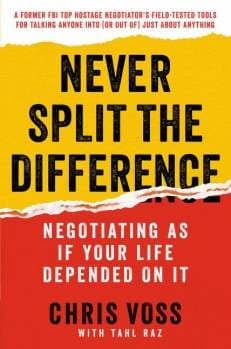
Cover of Never Split the Difference by Chris Voss
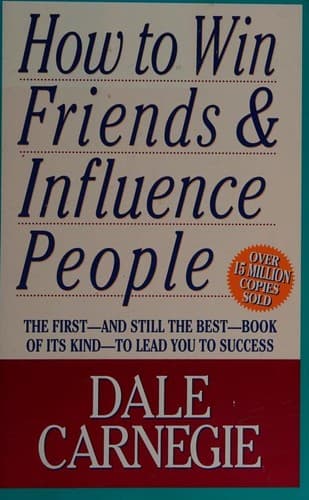
Cover of How to Win Friends and Influence People by Dale Carnegie
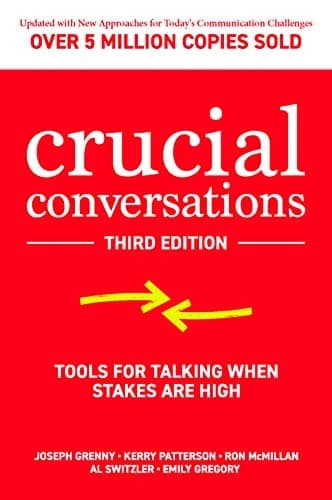
Cover of Crucial Conversations by Joseph Grenny

At a glance

  1. 1
    Cover of How to Win Friends and Influence People by Dale Carnegie
    How to Win Friends and Influence People by Dale Carnegie
  2. 2
    Cover of Never Split the Difference by Chris Voss
    Never Split the Difference by Chris Voss
  3. 3
    Cover of Crucial Conversations by Joseph Grenny
    Crucial Conversations by Joseph Grenny
  4. 4
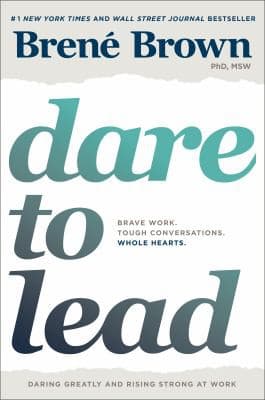
    Cover of Dare to Lead by Brené Brown
    Dare to Lead by Brené Brown
  5. 5
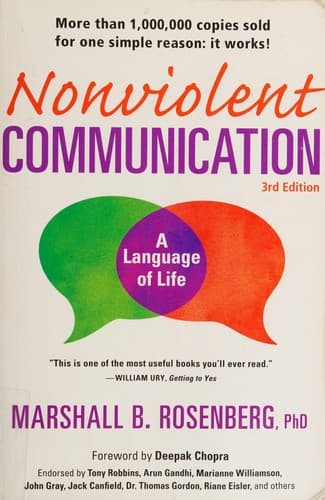
    Cover of Nonviolent Communication by Marshall B. Rosenberg
    Nonviolent Communication by Marshall B. Rosenberg
  6. 6
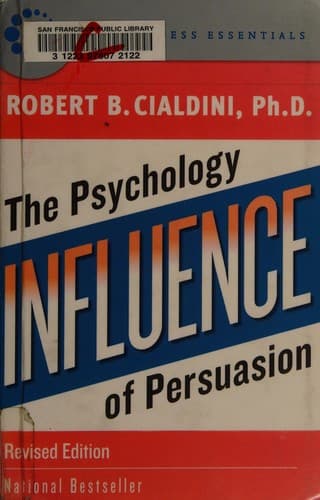
    Cover of Influence: The Psychology of Persuasion by Robert B. Cialdini
    Influence: The Psychology of Persuasion by Robert B. Cialdini
  7. 7
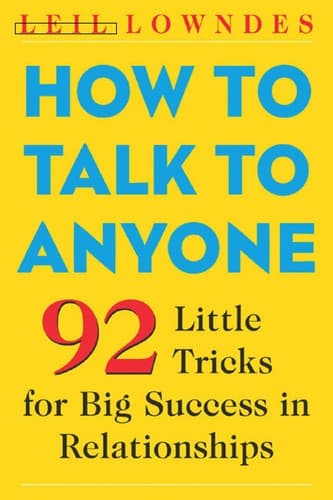
    Cover of How to Talk to Anyone by Leil Lowndes
    How to Talk to Anyone by Leil Lowndes
  8. 8
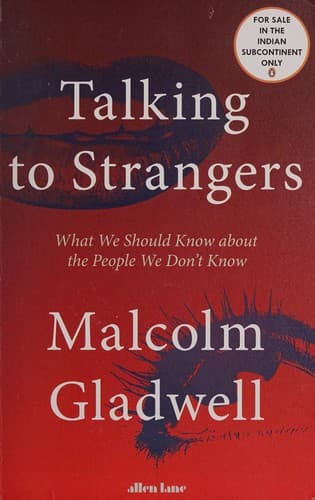
    Cover of Talking to Strangers by Malcolm Gladwell
    Talking to Strangers by Malcolm Gladwell
  9. 9
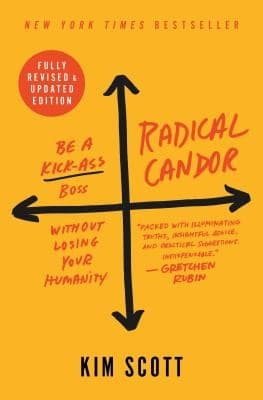
    Cover of Radical Candor by Kim Scott
    Radical Candor by Kim Scott
  10. 10
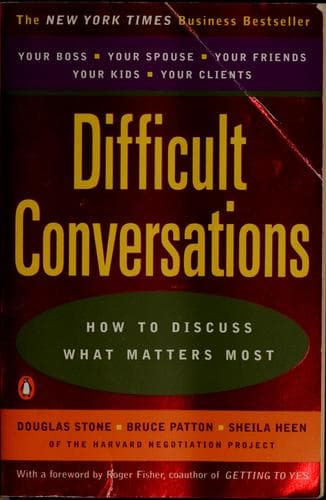
    Cover of Difficult Conversations by Douglas Stone
    Difficult Conversations by Douglas Stone
  11. 11
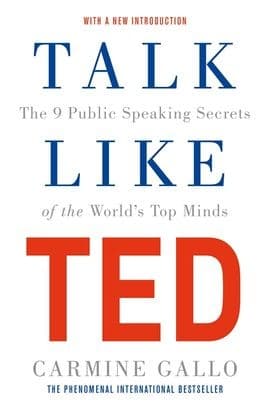
    Cover of Talk Like TED by Carmine Gallo
    Talk Like TED by Carmine Gallo
  12. 12
    Cover of Made to Stick by Chip Heath
    Made to Stick by Chip Heath
  13. 13
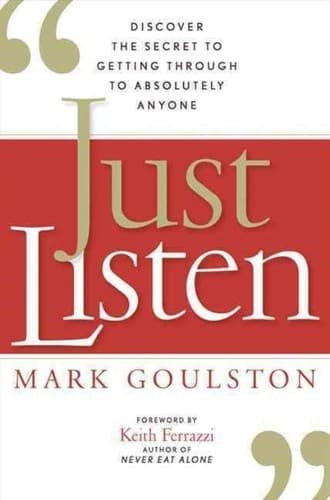
    Cover of Just Listen by Mark Goulston
    Just Listen by Mark Goulston
  14. 14
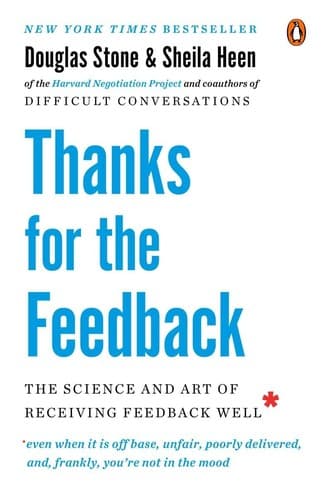
    Cover of Thanks for the Feedback by Douglas Stone
    Thanks for the Feedback by Douglas Stone
  15. 15
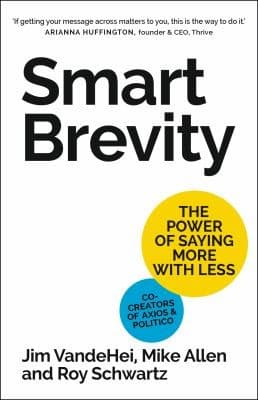
    Cover of Smart Brevity by Jim VandeHei
    Smart Brevity by Jim VandeHei
Cover of How to Win Friends and Influence People by Dale Carnegie

#1

How to Win Friends and Influence People

Dale Carnegie · 1936

4.7 on Amazon107k reviews61k searches a monthAbout 5 hours to read

A classic guide to building rapport, earning cooperation, and persuading others through genuine respect and interest.

Carnegie argues that success in work and life depends largely on how well you handle people, and that this skill can be learned. Rather than criticizing or manipulating, he urges readers to show sincere interest, appreciate others, and see situations from their point of view. Through anecdotes and practical principles, the book teaches habits for making good impressions, winning people to your thinking, and leading without causing resentment. Readers come away with simple, usable human relations techniques.

Key ideas

  • Criticism and condemnation usually provoke defensiveness rather than change.
  • Genuine interest in other people builds stronger relationships than trying to impress them.
  • Persuasion works best when you appeal to what the other person wants.

Best for

Managers, salespeople, and anyone wanting practical habits for better everyday relationships and influence.

View on Amazon
Cover of Never Split the Difference by Chris Voss

#2

Never Split the Difference

Chris Voss · 2016

4.7 on Amazon52k reviews4.4k searches a monthAbout 6 hours to read

A former FBI hostage negotiator adapts crisis negotiation tactics for business and everyday life.

Chris Voss argues that good negotiation is less about logic and compromise than about understanding emotions and building trust. Drawing on his FBI career and later teaching, he presents practical communication techniques for uncovering what the other side really wants and steering talks toward better outcomes. Readers come away with concrete tools for salary talks, deals, purchases, and personal conflicts, plus a mindset that treats negotiation as a skill anyone can practice.

Key ideas

  • Tactical empathy means understanding the other side's feelings and perspective to influence them.
  • Mirroring and labeling encourage people to open up and reveal their real concerns.
  • Open-ended questions let the other party solve your problem and feel in control.

Best for

Professionals, managers, and salespeople who want practical negotiation tactics for work and daily life.

View on Amazon
Cover of Crucial Conversations by Joseph Grenny

#3

Crucial Conversations

Joseph Grenny · 2001

4.6 on Amazon12k reviews22k searches a monthAbout 5 hours to read

A practical guide to staying effective in high-stakes, emotionally charged conversations at work and home.

The authors argue that the most important moments in careers and relationships hinge on conversations where stakes are high, opinions differ, and emotions run hot. Most people either avoid these talks or handle them poorly. The book teaches skills for staying calm, creating psychological safety so others can speak openly, sharing your views without aggression, and listening when others get defensive. Readers come away with a repeatable approach for turning difficult discussions into agreement and follow-through.

Key ideas

  • Dialogue works when people feel safe enough to share honest views openly.
  • Start with your own motives and keep your focus on what you really want.
  • Silence and verbal attacks are common stress reactions that can be recognized and countered.

Best for

Managers, professionals, and anyone who dreads confrontation or struggles to speak candidly under pressure.

View on Amazon
Cover of Dare to Lead by Brené Brown

#4

Dare to Lead

Brené Brown · 2018

4.7 on Amazon23k reviews1.3k searches a monthAbout 6 hours to read

A practical case for courageous, vulnerable leadership built on empathy, trust, and honest conversation.

Brown argues that leadership is a matter of taking responsibility for people and ideas, not holding a title. Drawing on her research on vulnerability, shame, and courage, she shows how leaders can build cultures where people speak candidly and take risks. She treats courage as a set of teachable skills, including curiosity, clear communication, and living by your values. Readers come away with concrete practices for handling hard conversations and building trust on their teams.

Key ideas

  • Leadership comes from caring about people and potential, not from rank or status.
  • Vulnerability is the foundation of courage, trust, and honest work, not a weakness.
  • Clear values and skill-building help leaders stay brave under pressure and uncertainty.

Best for

Managers and team leaders wanting to build trust and handle difficult conversations well.

View on Amazon
Cover of Nonviolent Communication by Marshall B. Rosenberg

#5

Nonviolent Communication

Marshall B. Rosenberg · 1999

4.7 on Amazon12k reviews3.6k searches a monthAbout 4 hours to read

A practical method for speaking and listening with compassion to resolve conflict and deepen relationships.

Rosenberg presents Nonviolent Communication as a way to connect through honesty and empathy rather than blame, judgment, or demands. He teaches a four-part process: observing without evaluating, naming feelings, identifying underlying needs, and making clear requests. The same steps guide how we express ourselves and how we hear others. Readers learn to defuse anger, handle disagreement at home and work, and treat themselves with more compassion, using examples and sample dialogues.

Key ideas

  • Separate plain observation from evaluation to avoid triggering defensiveness in others.
  • Feelings point to underlying needs, which are the real source of most conflict.
  • Empathic listening and clear, doable requests build connection better than demands or criticism.

Best for

Managers, partners, parents, and anyone wanting calmer, more honest conversations during conflict.

View on Amazon
Cover of Influence: The Psychology of Persuasion by Robert B. Cialdini

#6

Influence: The Psychology of Persuasion

Robert B. Cialdini · 1983

4.5 on Amazon13k reviews3.6k searches a monthAbout 6 hours to read

A research-based look at why people comply, and how to use or resist persuasion.

Cialdini draws on experiments and his own undercover observation of salespeople, fundraisers, and marketers to explain why people say yes. He organizes the findings into six principles of influence that work largely by triggering mental shortcuts. Readers learn to recognize these levers in advertising, sales, and everyday requests, apply them ethically in their own work, and spot manipulation before it succeeds. The book is vivid, example-heavy, and practical.

Key ideas

  • Six core principles drive most compliance: reciprocity, commitment, social proof, liking, authority, and scarcity.
  • People rely on automatic shortcuts, which professionals can exploit when we are busy or unsure.
  • Understanding these triggers helps you persuade ethically and defend against manipulation.

Best for

Marketers, salespeople, managers, and curious general readers interested in the psychology of everyday decisions.

View on Amazon
Cover of How to Talk to Anyone by Leil Lowndes

#7

How to Talk to Anyone

Leil Lowndes · 1999

4.4 on Amazon17k reviews2.9k searches a monthAbout 7 hours to read

A collection of 92 practical techniques for making conversation, building rapport, and leaving strong impressions.

Lowndes argues that charisma is largely a learnable set of habits rather than an inborn gift. She presents 92 short, memorably named techniques covering first impressions, small talk, body language, rapport, phone manners, party networking, and handling difficult people. Readers come away with a toolkit of specific behaviors they can try in social, romantic, and professional settings, helping them feel more at ease and appear more confident and likable.

Key ideas

  • Charm and likability come from learnable skills, not natural talent.
  • First impressions and body language shape how people judge you within moments.
  • Showing real interest in others builds rapport faster than talking about yourself.

Best for

Shy professionals, networkers, and job seekers wanting practical conversation tactics for work and social life.

View on Amazon
Cover of Talking to Strangers by Malcolm Gladwell

#8

Talking to Strangers

Malcolm Gladwell · 2019

4.4 on Amazon24k reviews880 searches a monthAbout 7 hours to read

Examines why people misjudge strangers and how those errors lead to real harm.

Gladwell argues that our default habits for sizing up people we do not know are flawed, and that the errors have serious consequences. Using cases from policing, espionage, and criminal trials, he shows how we lean toward assuming honesty, expect people's outward behavior to reveal their inner state, and ignore context. The takeaway is humility: be cautious about confident judgments of strangers, and accept that trust carries risks worth understanding.

Key ideas

  • People tend to default to trusting others, even when evidence suggests deception.
  • Demeanor often fails to match inner feelings, so reading faces misleads us.
  • Context and circumstances shape behavior more than we usually admit when judging strangers.

Best for

Readers interested in psychology, communication, and decision-making who enjoy narrative-driven case studies.

View on Amazon
Cover of Radical Candor by Kim Scott

#9

Radical Candor

Kim Scott · 2017

4.5 on Amazon10k reviews2.9k searches a monthAbout 6 hours to read

A management guide arguing great bosses combine personal care with direct challenge in everyday feedback.

Kim Scott argues that good leadership rests on two habits practiced together: caring about people as individuals and being willing to tell them hard truths. Using a simple two-axis framework, she shows how bosses fail when they lean too far toward either niceness or bluntness. Readers come away with a practical way to give and invite praise and criticism, build trust with their teams, and keep a focus on results without losing their humanity.

Key ideas

  • Care Personally and Challenge Directly must work together, not trade off.
  • Avoiding hard conversations out of kindness often harms people more than honesty does.
  • Leaders should invite criticism of themselves first to build a real feedback culture.

Best for

New and experienced managers who want better feedback habits and stronger team relationships.

View on Amazon
Cover of Difficult Conversations by Douglas Stone

#10

Difficult Conversations

Douglas Stone · 1999

4.6 on Amazon3.9k reviews3.6k searches a monthAbout 5 hours to read

A practical guide to handling emotionally charged talks by understanding what is really happening beneath them.

Drawing on research from the Harvard Negotiation Project, the authors argue that hard conversations go wrong because people argue over who is right instead of exploring how each side sees the situation. They show that every tough exchange has several layers, including facts, feelings, and identity. Readers learn to listen better, share their own view without blame, and shift toward joint problem solving. The book uses many everyday case examples from work and family life.

Key ideas

  • Every difficult conversation mixes a dispute over facts, strong emotions, and a threat to identity.
  • Shift from blaming and judging to understanding how each person's contribution shaped the problem.
  • Open with a learning stance, then describe your view and invite the other person's.

Best for

Managers, professionals, and anyone avoiding a hard talk with a colleague, partner, or relative.

View on Amazon
Cover of Talk Like TED by Carmine Gallo

#11

Talk Like TED

Carmine Gallo · 2014

4.5 on Amazon4.9k reviews1.9k searches a monthAbout 6 hours to read

Nine presentation techniques drawn from popular TED talks, with advice on applying them to your own speaking.

Carmine Gallo studies TED speakers and distills what makes their talks memorable into nine repeatable techniques. He argues that great presentations come from real passion, strong storytelling, fresh and useful ideas, emotional impact, and brevity, delivered in a natural and authentic style. Drawing on speaker examples and research on how audiences absorb information, the book shows readers how to build talks that inspire and persuade rather than merely inform.

Key ideas

  • Passion for your subject makes audiences care and makes you more persuasive.
  • Stories, fresh insights, and memorable moments stick better than data alone.
  • Keep talks short, conversational, and true to your own authentic style.

Best for

Professionals, founders, and managers who want to give more engaging, persuasive presentations.

View on Amazon
Cover of Made to Stick by Chip Heath

#12

Made to Stick

Chip Heath · 1998

4.7 on Amazon1.8k reviews2.9k searches a monthAbout 6 hours to read

Chip and Dan Heath explain why some ideas spread and last, and how to craft them.

The Heath brothers argue that memorable ideas share six traits: they are simple, unexpected, concrete, credible, emotional, and told as stories. Drawing on urban legends, classroom experiments, and organizational examples, they show how ordinary communicators can use these traits deliberately. They also warn about the curse of knowledge, where expertise makes it hard to explain things clearly. Readers come away with a practical checklist for shaping messages that people understand, remember, and act on.

Key ideas

  • Sticky ideas share six traits: simple, unexpected, concrete, credible, emotional, and story-based.
  • The curse of knowledge makes experts poor at explaining what they know.
  • Concrete details and stories help audiences remember and act on abstract ideas.

Best for

Managers, marketers, teachers, and leaders who need to make their messages memorable and persuasive.

View on Amazon
Cover of Just Listen by Mark Goulston

#13

Just Listen

Mark Goulston · 2009

4.6 on Amazon2.5k reviews1.9k searches a monthAbout 5 hours to read

A psychiatrist's guide to breaking through emotional resistance so people will listen, trust you, and agree.

Goulston argues that persuasion fails when people are defensive, stressed, or feeling unheard, so the first job is lowering that resistance. Drawing on his work as a psychiatrist and consultant, he offers practical techniques for making a strong first impression, listening well, calming angry people, and earning real buy-in. The takeaway is that understanding someone's emotional state comes before making your case, and that this skill can turn difficult people into allies.

Key ideas

  • People must feel understood before they will listen to or accept your ideas.
  • Emotional reactions can be defused so a person moves toward more rational thinking.
  • Real buy-in, not mere compliance, is the foundation of persuasion, negotiation, and sales.

Best for

Managers, salespeople, and anyone handling tense conversations at work or home.

View on Amazon
Cover of Thanks for the Feedback by Douglas Stone

#14

Thanks for the Feedback

Douglas Stone · 2014

4.6 on Amazon2.2k reviews2.4k searches a monthAbout 7 hours to read

A guide to receiving feedback well, so criticism and advice become learning rather than conflict.

Stone and Heen argue that feedback skills depend more on the receiver than the giver. Because we want to grow and also be accepted as we are, feedback often sets off defensiveness. The authors show how to spot what blocks us, separate the message from the messenger, and sort comments into appreciation, coaching, and evaluation. Readers come away with practical ways to stay curious, ask for useful input, and respond with more grace under pressure.

Key ideas

  • Receivers control learning, so training them matters more than polishing how feedback is given.
  • Truth, relationship, and identity triggers explain why feedback so often provokes defensiveness.
  • Appreciation, coaching, and evaluation are different kinds of feedback, and mixing them up causes friction.

Best for

Managers, professionals, and parents who want to handle criticism and advice more productively.

View on Amazon
Cover of Smart Brevity by Jim VandeHei

#15

Smart Brevity

Jim VandeHei · 2022

4.5 on Amazon2.9k reviews880 searches a monthAbout 4 hours to read

A guide to writing and communicating concisely so busy people actually read and retain your message.

Written by the Axios cofounders, the book argues that attention is scarce and most workplace writing wastes it. It teaches a disciplined approach to cutting words, leading with what matters, and structuring messages so they are easy to scan. Readers come away with practical habits for emails, memos, presentations, and speeches, plus a stronger sense that respecting the audience's time makes communication more persuasive and effective.

Key ideas

  • Readers give you very little attention, so earn it quickly.
  • Lead with the most important point and cut everything that dilutes it.
  • Clear structure and strong, simple wording make messages easier to scan and remember.

Best for

Managers, marketers, and professionals who want shorter, clearer emails, memos, and presentations.

View on Amazon

How we rank these books

We start from 16 books that practitioners widely recommend on the topic, then rank them by what readers actually do rather than by our taste:

  • Review volume (55%): the number of Amazon US ratings on the book's main listing.
  • Rating (20%): the average Amazon US star rating.
  • Search demand (25%): how many people search Google in the US for the book each month.

Volume and demand are log-scaled so a few mega-sellers don't drown out everything else. Publication year and page counts come from Open Library. Summaries are our own, written from each book's catalog description. We don't take payment for placement.

From reader to author

Every book on this list started as one expert's know-how. Yours could be next.

BOOKED shows how experts turn what they know into a book that brings in clients. Rather not write it yourself? We can write it with you.

Questions about communication books

Answers drawn from the data behind this list.

Browse all book lists
By reader data, How to Win Friends and Influence People by Dale Carnegie ranks first, with 107k Amazon reviews and a 4.7 star rating. Never Split the Difference and Crucial Conversations follow. A classic guide to building rapport, earning cooperation, and persuading others through genuine respect and interest.

More business book lists